Artisan chocolate, Cyprus
The biggest occasion has no season
A chocolatier planned its year around Christmas and Valentine’s. The largest gift occasion in its market turned out to be the one that happens every day.
What they believed
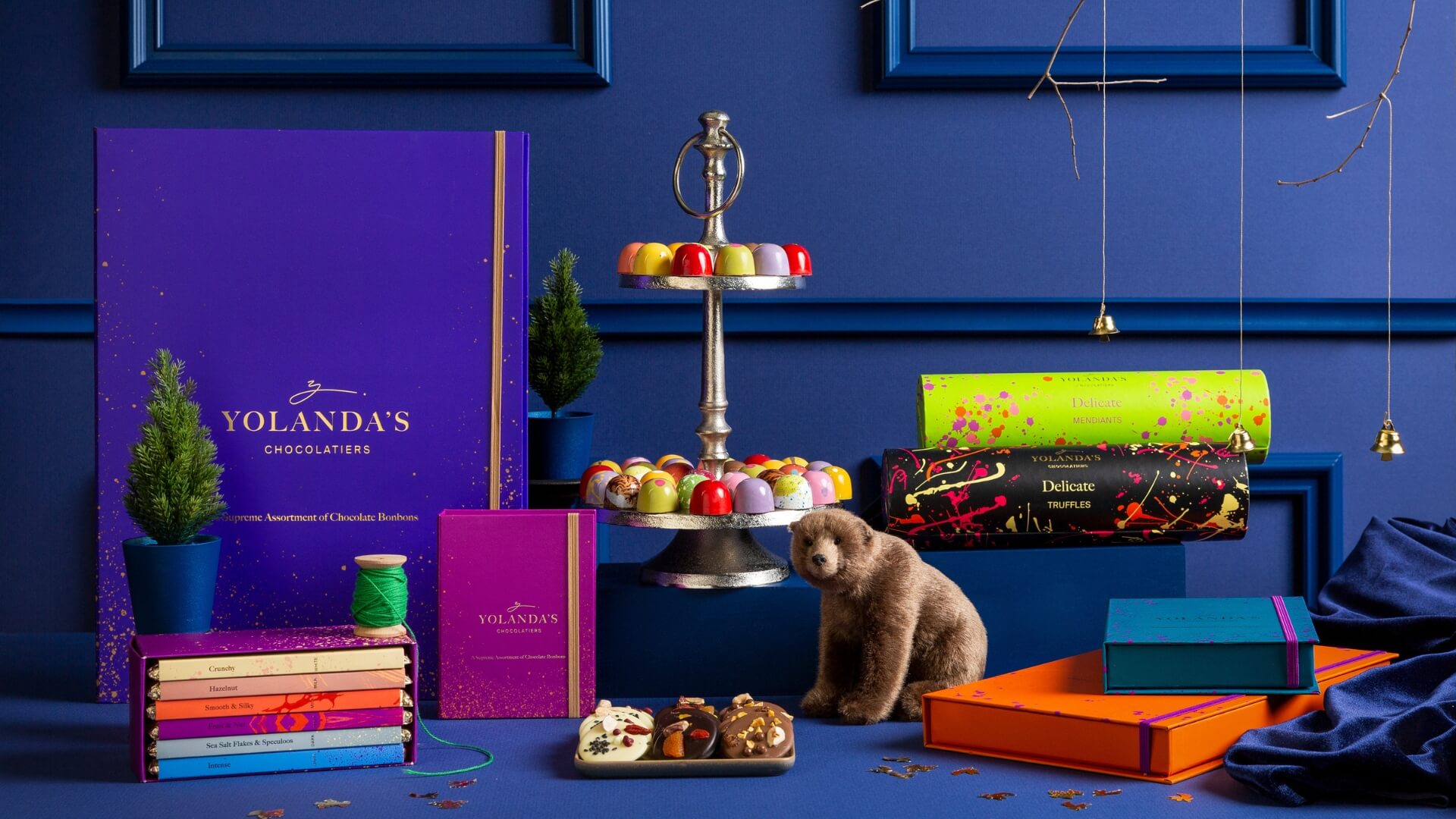
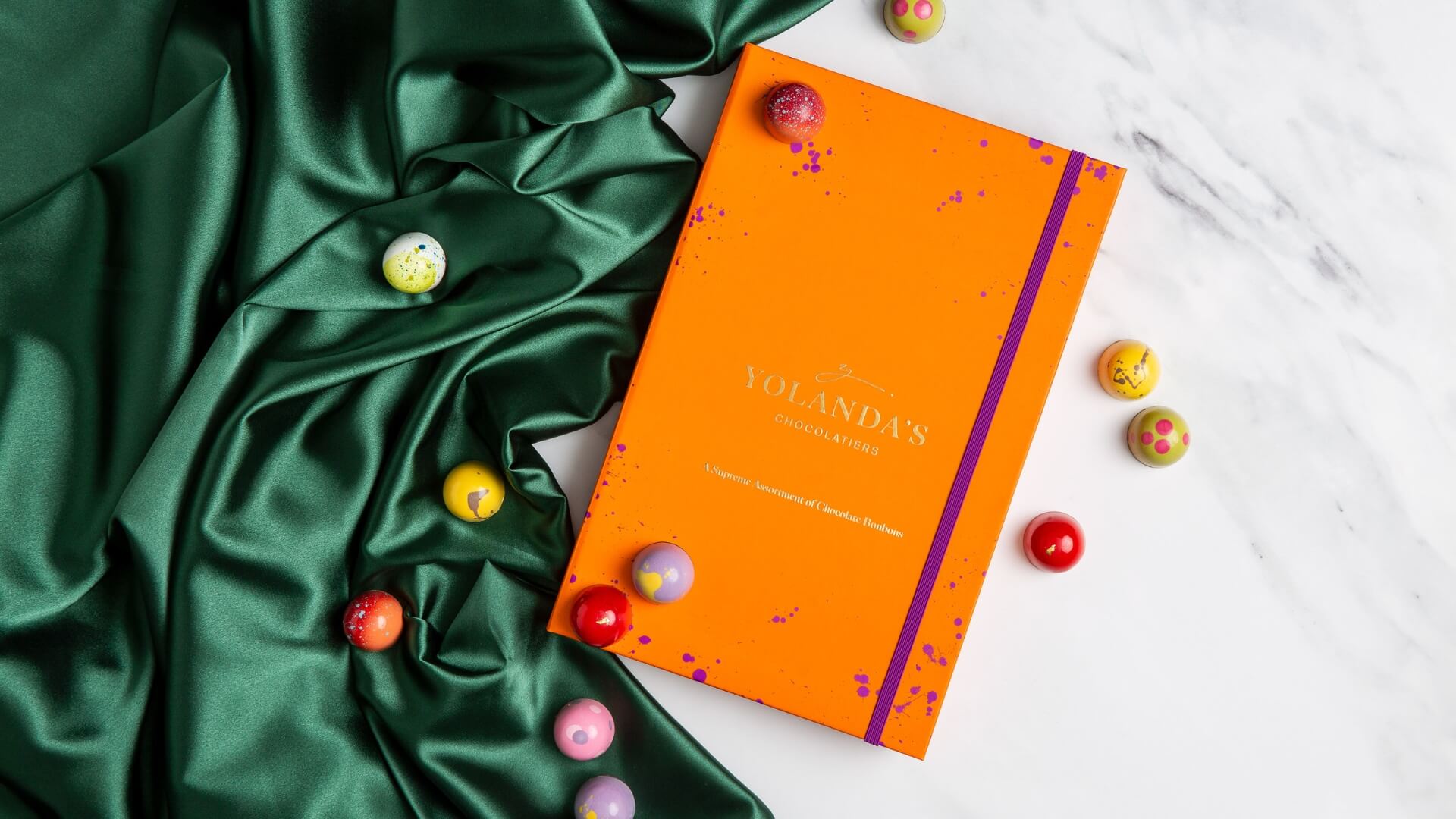
Two sisters making bonbons by hand in Nicosia, sold as gifts and shipped well beyond Cyprus. The business ran on the calendar everyone in the category runs on: Christmas, then Valentine’s, then a long wait. Effort, stock and attention were organised around those two peaks.
Underneath that sat an assumption nobody had checked. It assumes the gift market is seasonal, and that the seasons are the ones the category already celebrates.
What the diagnosis found
We segmented the Cypriot online gift market by occasion rather than by product, using a local survey read against national statistics. The order was not the one the calendar predicts.
The occasion the business was built around was the smallest one. Valentine’s Day sat last of the seven occasions we sized. Birthdays sat first, reaching almost everyone who shops online, roughly sixty thousand people in Cyprus alone. The difference between them is not only size. A birthday has no season. It is distributed evenly across all twelve months, which means the largest gift occasion in the market is the one a business cannot prepare for in November and forget by March.
That reframes what the company is. A business organised around two peaks is a seasonal business with a long dead middle. A business organised around birthdays is a continuous one, and it needs a completely different relationship with its customers: not a seasonal push, but knowing when somebody’s date is coming.
There was a second buyer nobody was serving. Larnaca airport moves hundreds of thousands of departing passengers a year, a share of them travelling to see people and wanting something local to arrive with. That is the same purchase, made under different conditions: decided in minutes, in transit, often by someone who already knows the brand and simply needs it to be reachable at the moment they remember.
The competitive disadvantage was real, and it was not the product. The strongest alternatives in the category had physical shops. Customers had asked for one. A shop answers the problem a gift buyer actually has, which is proof that the thing exists and can be collected today. The diagnosis was that the gap worth closing was not retail space but certainty: knowing the gift will arrive, and when.
What changed
The brand stopped positioning itself as a seasonal treat and started positioning itself for gift givers, defined by occasion rather than by demographic. The two segments the evidence supported, the year-round gift giver and the departing traveller, became the ones the business was built to serve.
The calendar stopped being the plan. The occasions that reach the most people, and recur all year, became the spine of what the company says and when it says it. The two peaks remained peaks. They stopped being the whole business.
Written by Hivebreed. Cases describe the method and the judgment behind it, not the deliverables. Anything that would hand a client’s advantage to someone else is left out on purpose.